
Blog
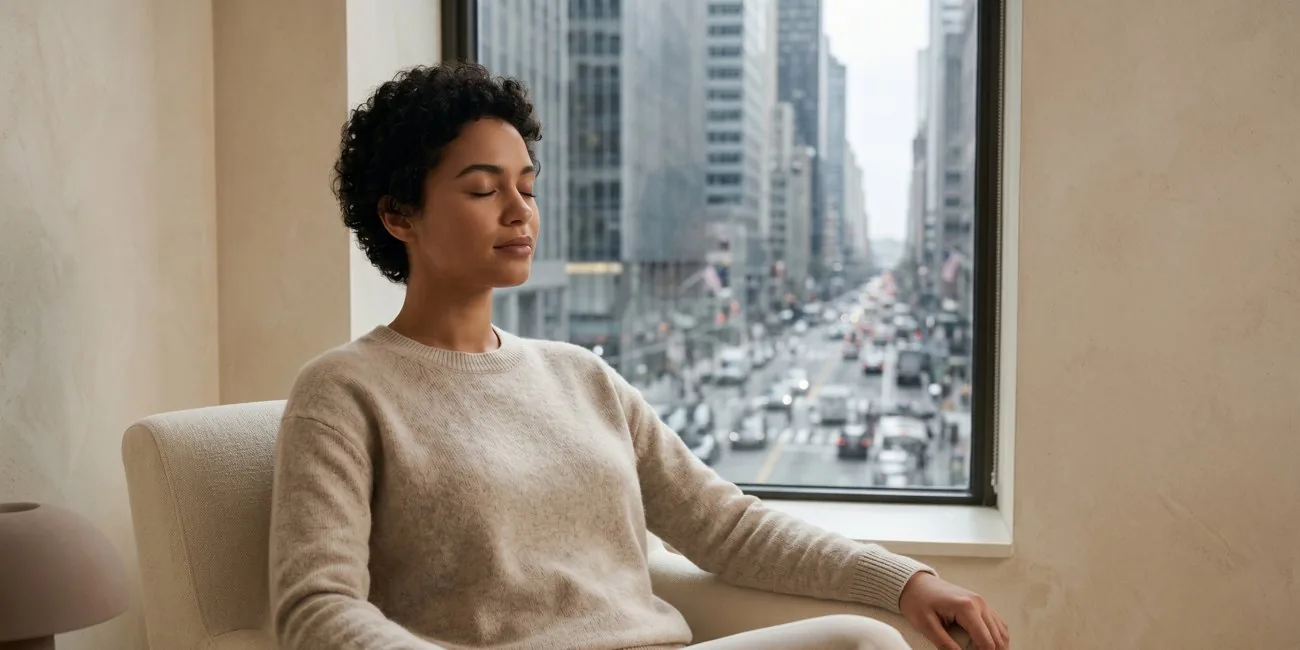
If a supermarket, a train station or a birthday party can leave you frayed and exhausted while everyone around you seems to breeze through, you are not weak and you are not overreacting. Busy places ask a great deal of a nervous system that takes in sound at full strength. The good news is that you can get through them with far less cost, mostly by planning ahead, protecting your ears, and giving yourself permission to leave.
Why are busy, noisy places so draining?
Because the sound never settles into the background for you the way it does for most people, so you are processing all of it at once. In a supermarket that means the trolleys, the tannoy, the fridges, the chatter and the strip lights, all competing for attention at the same time. This pattern has a name: sensory over-responsivity, where everyday sensory input provokes exaggerated, draining responses (Miller et al., 2007). Heightened reactions to sound are also a recognised part of the autism diagnostic picture (American Psychiatric Association, 2013), and the same sensitivity is common with ADHD and in highly sensitive people. The tiredness afterwards is the cost of all that processing. It is real, and it is not a sign that you are not coping.
What can you do before you go?
A little planning removes a lot of the load. Before a trip into a noisy place:
- Go at quieter times where you can, early morning or late, rather than the busiest hours.
- Keep trips short and single-purpose. A focused ten minutes costs far less than a long, open-ended visit.
- Take your ear protection, whether that is noise-cancelling headphones, ear defenders or filter earplugs, and have it on before you go in.
- Know your exits. Simply knowing you can step outside often makes staying possible.
- Lower the other demands: try not to go hungry, rushed or already tired, as each one shortens your fuse for noise.
How do you cope while you're there?
In the moment, the aim is to reduce the incoming sound and take pressure off yourself. Wear your ear protection without apology, because protecting your ears is access, not avoidance. Take micro-breaks: step into a quiet aisle, a doorway or outside for a minute to let your system settle. Do one thing at a time rather than trying to manage the whole place at once, and slow your breathing if you feel the pressure building. If it becomes too much, leaving is a reasonable choice, not a failure. You do not owe anyone an explanation for looking after yourself.
What helps afterwards?
Recovery matters as much as the outing itself. Where you can, build in quiet time afterwards rather than stacking another demand straight on top. A steady, masking sound can help your system come down, and a few slow breaths can ease the residual buzz. The point is not to push through and pay for it later, but to plan the recovery in from the start, so a noisy place costs you a little less each time.
If you would like a place to land before or after a noisy day, the reset zone and our calming sounds are free, private, and always here, and the toolkit has gentle printables to take with you.
hushri is an online home for people who experience noise sensitivity, auditory defensiveness, or sensory overload. There is no diagnosis required, and no explanation needed. You are welcome here exactly as you are. Explore hushri.com for guides, honest reviews, and downloadable resources.
The hushri YouTube channel is now live, with gentle sensory soundscapes made for senses like yours. Subscribe to the channel.
Know someone who dreads busy, noisy places? If this helped you, it might help them feel less alone. Sharing it takes a moment, and could be the thing that finally makes sense of it for someone you care about.
References
- American Psychiatric Association (2013) Diagnostic and statistical manual of mental disorders. 5th edn. American Psychiatric Association.
- Miller, L.J. et al. (2007) 'Concept evolution in sensory integration: a proposed nosology for diagnosis', American Journal of Occupational Therapy, 61(2), pp. 135-140.