
Blog
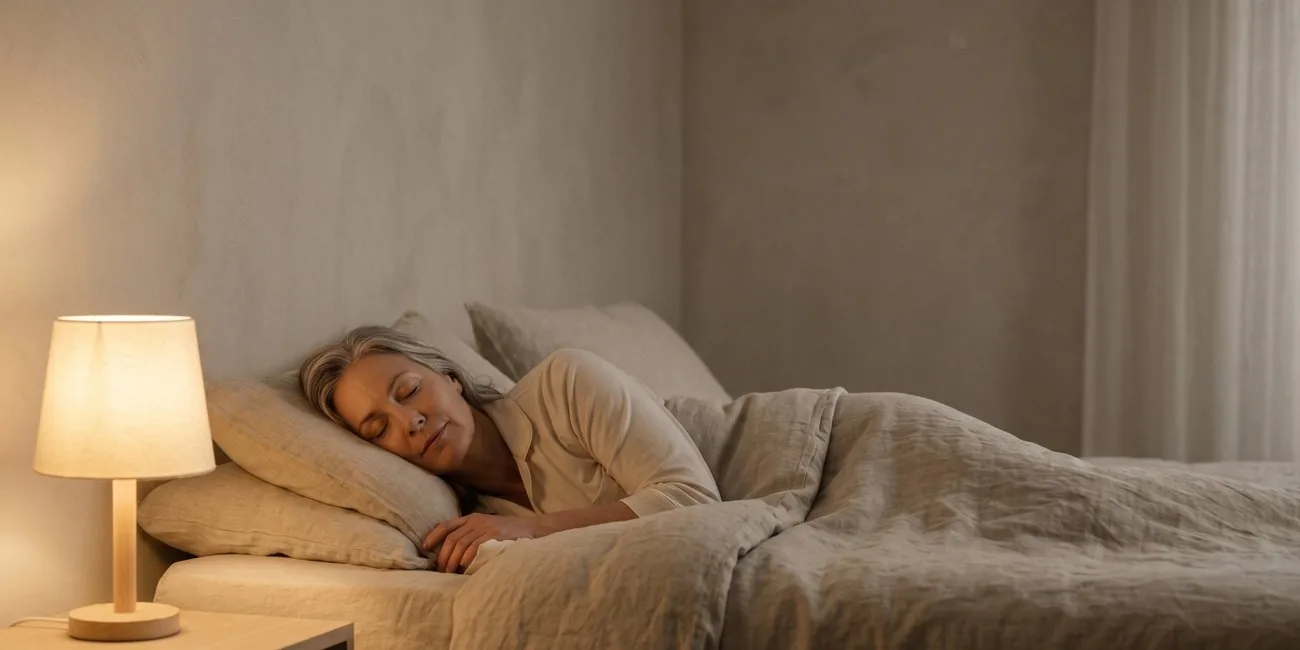
If a dripping tap, a neighbour's television, or a car door two streets away can keep you wired long after everyone else has drifted off, you are not being precious. Noise disrupts sleep even when it does not fully wake you, and for people who are sensitive to sound the threshold is lower. There is a lot you can do to make nights gentler, and none of it asks you to simply tolerate more.
Why does noise keep me awake when others sleep through it?
Because part of the brain keeps listening even while you sleep, watching for anything that might matter. Sudden or changing sounds can pull you into lighter sleep or brief awakenings you may not even remember, which is why a night can leave you unrested without your ever feeling fully woken. The World Health Organization treats sleep disturbance as one of the most significant health effects of environmental noise (World Health Organization, 2018), and sets night-time noise limits specifically to protect it.
For someone who is noise-sensitive, more of that night-time sound registers in the first place, so it takes less to disturb you and longer to settle again. That is a real difference in how your nervous system handles sound, not a failure to relax.
Does a quiet sleep environment actually matter that much?
Yes. The evidence is strong enough that public-health guidance treats a quiet bedroom as part of healthy sleep, not a luxury. A systematic review behind the WHO guidelines found consistent links between night-time noise and disturbed sleep (Basner and McGuire, 2018), and the guidelines recommend keeping night-time noise low to protect rest. So when you go to lengths to quieten your room, you are following sound advice, not indulging a quirk.
That reframing matters, because so much sleep advice assumes the problem is your habits. Sometimes it genuinely is the world outside the window, and the fix is to manage the sound, not to scold yourself for noticing it.
What helps you sleep when the world will not go quiet?
The aim is a steadier, more predictable sound environment, so there are fewer sudden noises to jolt you:
- Use a steady masking sound. A low, constant wash of brown or pink noise softens the edges of sudden noises so they do not stand out and startle you. Our calming sounds have a sleep timer so they can fade after you drift off.
- Try soft earplugs, alone or alongside a masking sound, and find the combination that suits you.
- Tackle the specific intruder where you can: a draught excluder against a noisy hallway, a rug to dampen echo, moving the bed away from a shared wall.
- Keep a gentle wind-down routine and dim light, so your body has time to shift down a gear.
- Slow your breathing as you settle. A few minutes in the reset zone can take the edge off a racing, over-alert mind.
Not everyone finds sound soothing at night, and that is completely fine. For some people the answer is more quiet, not more sound. The point is to shape your nights around how your nervous system actually works. If poor sleep is persistent or affecting your health, it is worth speaking with your GP.
If you would like a place to begin tonight, the calming sounds and the reset zone are free, private, and always here.
hushri is an online home for people who experience noise sensitivity, auditory defensiveness, or sensory overload. There is no diagnosis required, and no explanation needed. You are welcome here exactly as you are. Explore hushri.com for guides, honest reviews, and downloadable resources.
The hushri YouTube channel is now live, with gentle sensory soundscapes made for senses like yours. Subscribe to the channel.
Know someone the world keeps awake at night? If this helped you, it might help them feel less alone. Sharing it takes a moment, and could be the thing that finally makes sense of it for someone you care about.
References
- World Health Organization (2018) Environmental noise guidelines for the European Region. WHO Regional Office for Europe.
- Basner, M. and McGuire, S. (2018) 'WHO environmental noise guidelines for the European Region: a systematic review on environmental noise and effects on sleep', International Journal of Environmental Research and Public Health, 15(3), article 519.